All Projects

|

Collaborative Tool

🗓️ 2024

  • C
  • o
  • l
  • l
  • a
  • b
  • o
  • r
  • a
  • t
  • i
  • v
  • e
  • -
  • T
  • o
  • o
  • l

A collaborative real-time multi-user web application built using ReactJS, ExpressJS, and Socket.io. The platform enables users to interact live, making it ideal for use cases like live chat, collaborative editing, whiteboarding, or multiplayer interactions.

Tech Stack:

Vite

Socket.io

Express.js

TypeScript

Tailwind CSS

React.js

Vercel

Render
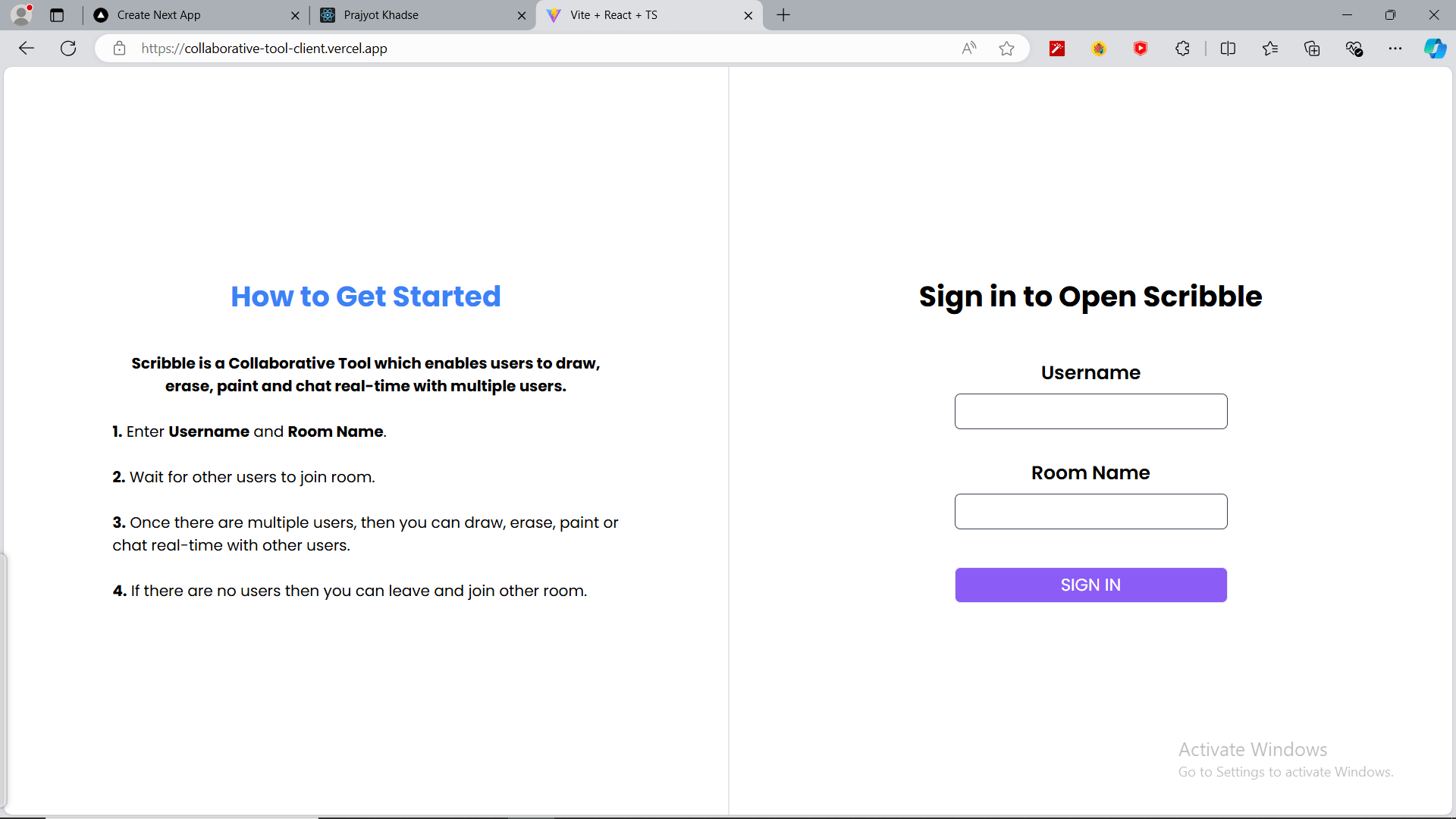
Collaborative Tool

Features and Functionality

Real-Time Communication

Leverages Socket.io to enable bi-directional, real-time communication between users for seamless interaction.

Multi-User Sessions

Multiple users can join a shared session and see live updates from other participants in real time.

Live Sync State

All connected clients share a synchronized state (e.g., chat messages, document content, or UI changes) updated live.

Dynamic Room Creation

Users can create or join unique rooms, each acting as an isolated real-time collaboration space.

Responsive Design

Built with Tailwind CSS to provide a clean, responsive, and mobile-friendly user interface.

Optimized Frontend Performance

Frontend bootstrapped with Vite and ReactJS, offering fast load times and hot module replacement for efficient development.

TypeScript Integration

Full TypeScript support across both client and server for safer code and improved developer experience.

Backend API with Express.js

Node.js and Express power the REST endpoints for additional app logic, user data handling, or session management.

Deployment & Hosting

Frontend deployed on Vercel, backend on Render with WebSocket support and CI/CD pipelines configured.

Challenges and Solutions

Handling Real-Time Data Consistency

Implemented socket-level event acknowledgment and conflict resolution to keep client state synchronized.

Managing Socket Disconnections & Reconnections

Used Socket.io’s built-in reconnect logic and preserved session state using unique room and user IDs.

Scaling WebSocket Server for Concurrent Users

Architected backend using event-driven patterns and considered horizontal scaling with sticky sessions if needed.

Cross-Browser Compatibility of Real-Time Features

Tested Socket.io communication across different browsers and devices to ensure stable event handling.

Avoiding UI Lag from Frequent Updates

Debounced updates where necessary and optimized component re-renders using `React.memo` and controlled state updates.

Type Safety Across Client and Server

Used shared TypeScript interfaces for Socket.io events and payloads to enforce type safety across the full stack.

Deployment with WebSocket Support

Configured Render backend explicitly to support WebSocket connections and verified through live testing.

Work - Collaborative Tool